
Braces
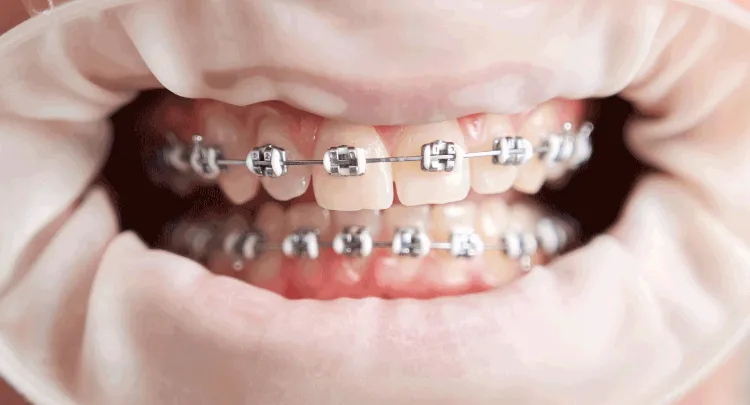
What are braces?
VARIOUS TYPES OF BRACES
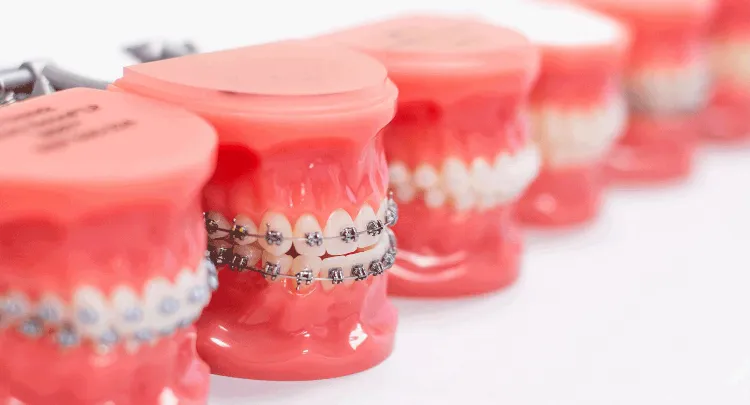
Additional braces include:
- invisible braces, also known as aligner trays, which can be removed and put back on throughout the day
- ceramic “clear” braces, which are less noticeable, and lingual braces, which are totally inserted behind your teeth.
You often receive retainers, which are aligner trays, after your treatment with conventional braces is complete. They serve to maintain the new position of your teeth.
Hook adhesion
Ceramic, plastic, or stainless steel brackets are glued to your teeth after they have been cleaned and allowed to dry. Although applying the brackets can be irritating, there is no pain involved.
You can uniformly apply pressure to your teeth thanks to these braces. Wires constructed of stainless steel, nickel-titanium, or copper titanium connect and encircle them.
Arch wires
The brackets on your teeth are connected by archwires. They serve as the means by which pressure is applied to cause your teeth to erupt. Stainless steel, nickel-titanium, and copper titanium are all possible materials for archwire construction.
You can uniformly apply pressure to your teeth thanks to these braces. Wires constructed of stainless steel, nickel-titanium, or copper titanium connect and encircle them.
Springs
Your braces’ archwires may occasionally be attached to coil springs. They press two of your teeth apart and create space by applying pressure between them.
Bands
Once the brackets are attached to your teeth, elastic bands known as O-rings or ligatures are put around them. They are typical of the majority of conventional brace treatments and increase the strain on your jaw.
How do braces work?
By applying consistent pressure to your teeth over an extended period of time, braces can reposition your teeth. Your jaw progressively changes to accommodate this pressure.
It can be difficult to understand that teeth can be shifted because we frequently believe that they are directly attached to our jawbone.
However, a membrane that connects your teeth to your jaw lies beneath your gums and is encircled by your bones. This membrane regulates how your teeth are positioned and reacts to the pressure that braces are applying to your teeth.
It doesn’t hurt to get braces during the appointment, and the process takes one to two hours. As you acclimate, you could feel sore for the first week that you wear braces. Each time your braces are adjusted by your orthodontist, you may also be sore for a few days.
Tips Before Getting Braces
If you’re getting braces, it’s important to know what to expect from your appointment. Here are some things to keep in mind:
- Make sure you’ve brushed and flossed for two minutes before your appointment. You’ll be asked to wear a face mask during the appointment and you don’t want food particles hanging out in your mouth while they work on your teeth!
- Bring water! Your mouth will be dry after they put the wires on, and having something refreshing to drink will help with that.
- Make sure you have cash or a credit card on hand so they can bill your insurance company directly and avoid any hassle later on in the process (trust us). Also, make sure your health insurance covers orthodontic treatment if you ever have any.
- If you’re nervous about getting your braces put on, don’t worry—it’ll be over before you know it!

Braces Process
The process of installing dental braces is a straightforward one. The first step is to take an impression of the teeth and gums.
This is done using a mould. Next, the dentist will make the brackets and wires that will be placed on your teeth. They’ll also make sure that the wires are properly adjusted for your specific case.
The next step is to place the braces on your teeth. The orthodontist or dental assistant will place them on and tighten them up so they fit securely in place.
They’ll then ask you to bite down on something so they can make sure they fit correctly before they cement them into place.
Once all that is done, you’re ready to get started! You’ll need to wear your retainer at night for 10 minutes every night when you first start out with braces, but after that, you should be able to use it as needed—like when eating sticky foods or brushing too hard—to help keep everything where it needs to be while still allowing room for growth as well as comfort throughout each stage of treatment until all treatment goals have been met!
How to maintain braces
The moment you get braces, your oral health changes, from what you eat to how you clean your mouth. By applying consistent pressure to your teeth over an extended period of time, braces can reposition your teeth. Your jaw progressively changes to accommodate this pressure.
You’ll also need to avoid eating a few things after getting braces since they could become stuck between the braces and your gum line. These foods consist of:
- chewy candy
- popcorn
- gum chewing
Your teeth are more likely to catch foods that can cause tooth decay if you wear braces. Pay attention to how frequently you consume starchy meals and sugary drinks, which can erode dental enamel.
You must go to the orthodontist for an adjustment every 8 to 10 weeks while wearing braces. When you visit your orthodontist, they’ll check to see if you’re taking care of your teeth and maintaining your braces properly. When necessary, your orthodontist will also replace the O-rings.
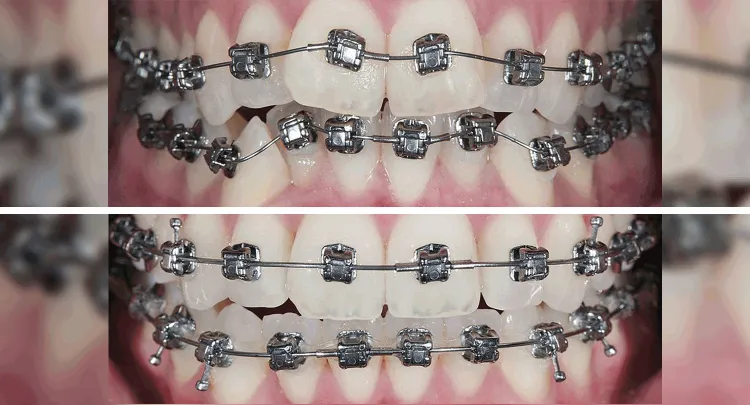
Braces Before And After
Disadvantages of braces
You may have heard of some of the common side effects, such as soreness in your mouth and trouble eating certain foods. But did you know that there are other long-term effects of having braces?
For example, if you plan on having children in the future, you should be aware of the risks associated with jaw wiring. Jaw wiring can cause permanent damage to your jawbone and teeth, which could affect your ability to breastfeed or even carry a child at all. This is because jaw wiring causes a shift in your bite, which can make breastfeeding difficult.
It is also important to note that jaw wiring can cause changes in your facial appearance that will be permanent—even after the braces come off! Because there is so much pressure on teeth during this process, it causes them to shift out of place and become crooked.
This means that even after your braces are removed and you get them fixed at a later date, they will still look crooked and could affect how others perceive your appearance.
Another risk factor associated with jaw wiring is TMJ (temporomandibular joint disorder). This disorder occurs when there is friction between your upper and lower jawbones over time due to daily wear.

How much do braces cost in South Africa?
Braces can cost anywhere from R10,000 to R100,000. The price will depend on your dentist and where you live, but generally speaking, the more expensive options are better for people who want their braces to be invisible.
If you’re looking for a treatment that’s more affordable and less invasive, there are options like Invisalign or lingual braces—these are both clear braces that only show when you smile.
These treatments tend to be more expensive than traditional metal braces, but if you’re willing to spend the money, they do an amazing job of straightening your teeth without anyone knowing about it!
The best way to find out how much braces cost in South Africa is to contact several different dentists and ask them about their prices. You can also look online or ask friends who have had braces before how much it cost them.