
Dental Fillings
What are dental fillings?
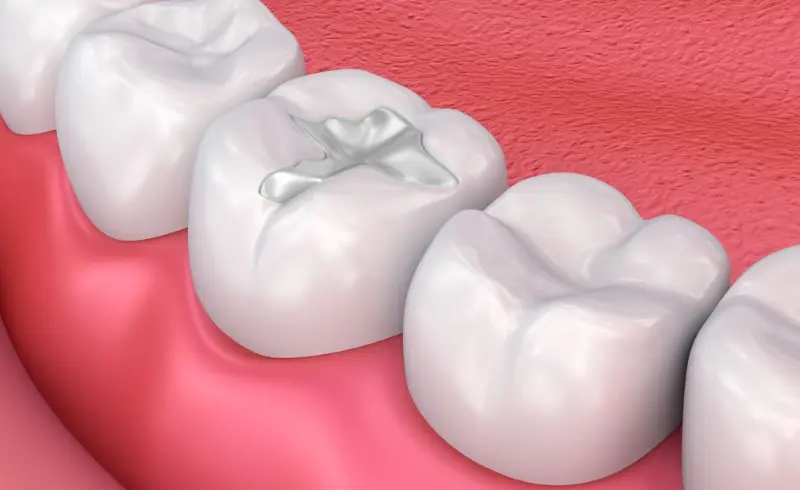
Dental fillings are restorations that are used to repair decayed teeth.
They are generally made of either silver or composite resin, as both materials can be used to restore the integrity of a tooth.
Silver fillings are used to treat areas of decay where the decay is not very deep, and the surface of the tooth is still healthy.
These fillings are also known as “inlays” or “onlays.”
Composite resin fillings, on the other hand, are typically used for larger cavities that require more than one filling to restore them.
They can also be used for smaller cavities if it’s decided that a patient would benefit from having a tooth coloured rather than having an unsightly silver filling.
Fillings can be made of either metal or composite resin, depending on the needs of your individual case.
Silver dental fillings are typically more affordable than composite resin ones because they’re less expensive materials; however, they also require more visits over time because they need regular checkups in order to ensure they stay in place properly.
Composite resin fillings tend to be more expensive initially but require fewer visits over time since they tend to hold up better against wear and tear over time.
Dental Filling preparation
Dental fillings are an important part of your dental treatment. You can prepare for the procedure by following these steps:
- Schedule an appointment with your dentist so they can see the problem area. They’ll be able to let you know if a filling is needed, and how long it might take to complete the procedure.
- If there’s any type of infection in the tooth, it’s important that you let your dentist know before they begin work on your teeth so they can treat it right away!
- Make sure that you’ve brushed and flossed thoroughly before coming in for your appointment, as well as avoid foods high in sugar or acidity so that they don’t damage your teeth further before we get started on those fillings!
- Bring a list of all medications (prescription or over-the-counter) that you’re currently taking with you to make sure we don’t have any conflicts during our initial consultation session together!
Dental fillings procedure
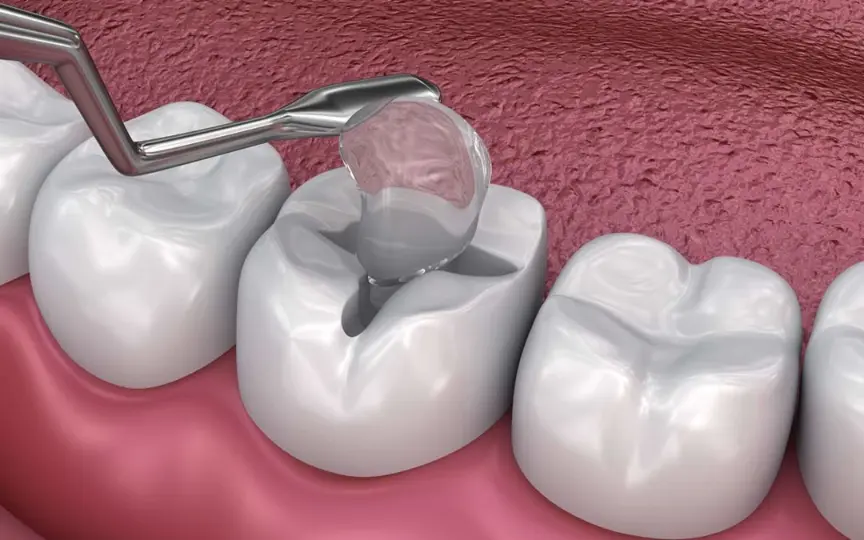

4 Types of Fillings. The most common dental filling material are:
Amalgam
This type of filling is made of mercury and silver, which means it’s the least expensive option. It also has a high resistance to heat and can withstand pressure from chewing and biting.
Composite
Composite fillings are made of resin and plastic mixed with quartz particles or glass powder, which makes them strong and durable. They’re more expensive than amalgam fillings because they require more time and materials to produce, but they can last for years longer than amalgam fillings do.
Glass ionomers
These are used to repair small cavities in teeth that have been weakened by decay before they can be filled with other materials like composite or ceramic ones instead! They’re more expensive than other materials because they require more time and materials for production as well—but if you have a small cavity that needs filling right away then this is one way to go!
Gold crowns
Gold crowns are the most expensive kind of filling because they’re made out of real gold or porcelain (porcelain fillings) fused onto metal bands that go around each tooth’s root structures underneath their enamel surface layer; these are used to cover up large cavities that can’t be filled with other materials like composite or ceramic ones instead. They’re more expensive than other materials because they require more time and materials for production as well—but if you have a large cavity that needs filling right away then this is one way to go.
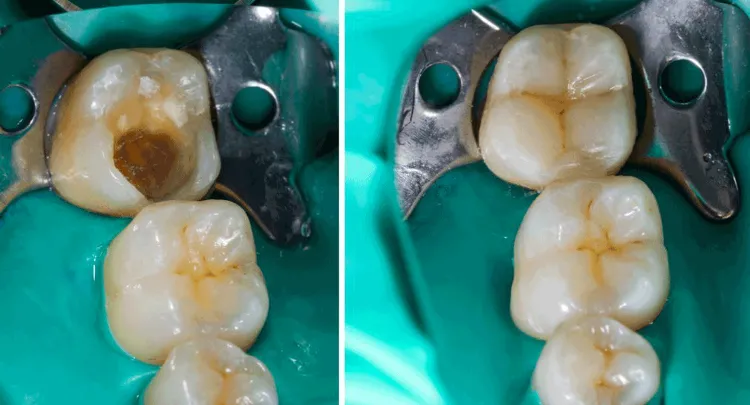
Dental Fillings Before And After

Dental Filling Cost & Duration
Dental fillings are the most common type of dental restoration, and they can be applied to a number of different teeth.
Fillings are used to repair decayed or damaged areas in your teeth. These areas are usually caused by tooth decay or gum disease.
The dentist will first need to remove all of the decayed and damaged tissue from your tooth using a drill, which is similar to an electric toothbrush. Then, they will use a dental filling material to cover up the hole created by removing this tissue. They may also add additional layers of ceramic or composite resin if needed.
The cost of dental fillings varies depending on how many teeth need to be treated as well as how long it takes for them to be completed (usually around one hour). The cost can range anywhere from R500 – R900 per tooth.