Root Canal
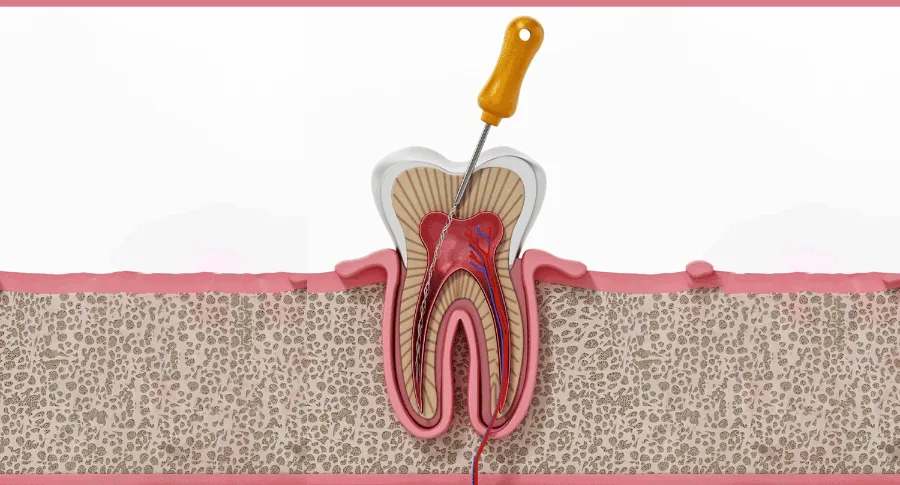
What is a Root Canal?
Reasons Why You Might Use A Root Canal
- Deep caries due to untreated cavities
- Multiple dental procedures on the same tooth
- chipped or cracked tooth
- Tooth damage (a blow in the mouth can damage the tooth; even if the damage does not break the tooth, the pulp can be damaged)
Process Of A Root Canal
Root canals are one of the most common procedures performed by dentists. A root canal procedure is used to treat the pulp or soft tissue within your tooth.
The pulp contains blood vessels, nerves and connective tissue that helps support your tooth. The pulp also contains tiny tubules—spaces within the tooth—that connect with other parts of your body. These tubules allow bacteria to enter a tooth and infect it.
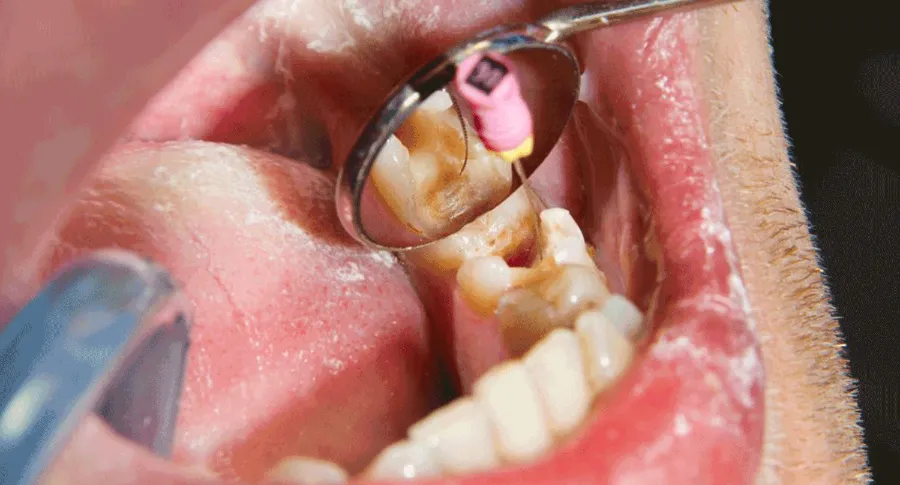
When bacteria infect a tooth, they can cause pain and inflammation. They can also spread through the body through these tubules, causing infection in other areas of your body.
During a root canal procedure, the dentist will remove all or part of the pulp from your infected tooth in order to prevent further damage to surrounding healthy tissue and bone, as well as prevent further spreading of infection throughout your mouth and body.
After removing all or part of the infected pulp, the dentist will clean out any remaining debris from inside your tooth and then seal it up with a filling material like gutta-percha (a natural rubber-like substance) or acrylic resin (a plastic).
What Happens After A Root Canal
A root canal procedure is regarded as therapeutic. The majority of patients who get the operation are able to benefit from the favourable outcomes for the rest of their lives.
However, how well you take care of your teeth will determine how long the effects persist. Your restored tooth has to be cleaned and flossed on a regular basis, just like the rest of your teeth do.

Root Canal Risks
Your tooth is attempted to be saved by having a root canal. The method, however, cannot always be used because the damage is too severe or the enamel is too weak. These elements may result in tooth loss.
If part of the diseased material is left behind or if the antibiotics are ineffective, there is also a danger of an abscess at the tooth’s root developing.
Consult your dentist about an extraction if you’re worried about getting a root canal.
This frequently entails replacing the broken tooth with a partial denture, bridge, or implant.
Root Canal: Aftercare
After a root canal, you should take some important steps to ensure that your tooth is healthy.
Step 1: First, make sure to use the prescribed mouth rinses and antibiotics as directed. This will help to prevent infection and reduce swelling.
Step 2: Second, it’s important to avoid hard or crunchy food for at least two days after your procedure. If possible, avoid chewing on the side of your mouth where you had the root canal for 24 hours after your procedure.
Step 3: Third, use an over-the-counter pain reliever as directed by your dentist if you experience any discomfort.
Step 4: Finally, schedule a follow-up appointment with your dentist within one week to ensure that all is well!
Side Effects Of Root Canal
The most common side effect of a root canal is tooth sensitivity. Your dentist will discuss this issue with you before and after your procedure, so they can recommend ways to manage it, including using products like fluoride-free toothpaste or applying special desensitizing gels directly to your teeth.
Other possible side effects include:
- Temporomandibular joint problems (TMJ). If your jaw joints are not properly aligned, they may grind together when you chew or open your mouth wide—leading to TMJ pain or headaches. Your dentist can help with this by making sure your bite is corrected before starting treatment.
- Infection in surrounding tissues or bone loss around the site of treatment due to infection or improper healing after surgery or trauma caused by an accident involving impact on the face or head (which can result in broken jaw bones). The latter condition requires additional dental work that might not have been necessary had proper dental hygiene been followed from