
Teeth Jewellery

What is Teeth Jewellery?
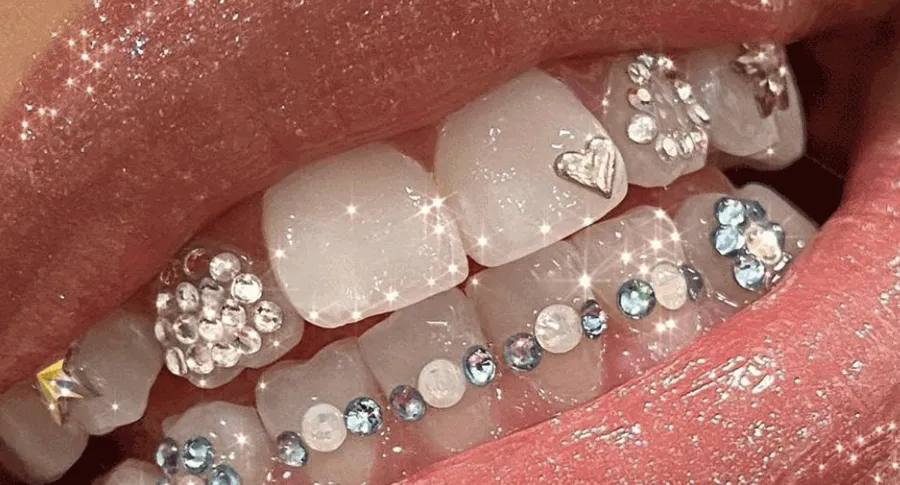
Dental teeth jewellery is a form of body modification that involves the placement of metal into the holes in teeth.
It can be used to replace a missing tooth, to cover up a gap between two teeth, or to decorate a smile with a piece of jewellery.
Dental teeth jewellery works by placing a small screw into the hole in your tooth and attaching the jewellery piece on top of it.
This can be done by either drilling into your tooth or by using an adhesive material.
Tooth jewellery can be made of natural materials like gold or silver, or it can be made of porcelain or resin.
How To Prepare For A Tooth Jewellery
The first step to having tooth jewellery is knowing what type of tooth jewellery you want.
There are several types of jewellery that can be placed in a tooth, such as crowns, bridges, and caps.
The type of tooth jewellery you choose will depend on the condition of your teeth and how they look.
If you want to have a crown placed on one or more of your teeth, then it is important that they are healthy and strong enough to support the weight of the crown.
If you need a bridge, then there are two options available: a fixed bridge or an implant-supported bridge.
A fixed bridge is cemented onto adjoining teeth so that it can hold its position securely in place without any movement whatsoever.
An implant-supported bridge uses dental implants to support its position securely in place without any movement whatsoever.
A cap is used when there is no remaining natural tooth structure available after removing decay from inside a cavity area.
However, this cap does not replace all missing parts from your mouth because it only covers part of it instead of covering all missing parts from your mouth because it only covers part of it.
Process For A Tooth Jewellery Broken Down
Tooth jewellery is made by a dental lab, which is typically a part of a dental practice.
Dentists are required to have at least one dental technician on staff, who will do the work on your teeth. The technician uses special tools and materials to create the tooth jewellery, which includes using different types of fillings, bonding agents, and veneers.
- The process begins with a consultation with your dentist so that they can design a piece that will look good on you and be functional for your lifestyle. Once the design has been decided upon, it will be sent off to the lab where it will be created according to specifications. If you need more than one piece of tooth jewellery made at once (such as two or three), then your dentist may refer you to an oral surgeon instead.
- Once everything has been made according to specifications and approved by your dentist, it will be returned to them for placement in your mouth. You’ll go back for regular check-ups over time so that any adjustments can be made if needed or if something breaks or falls off unexpectedly during normal wear/use cycles (which is why it’s important to wear/use them responsibly).
Tooth Jewellery Aftercare
- Do not manipulate tooth jewellery in any way.
- Eat nothing for an hour after the tooth jewellery has been applied, however, you can drink water right after.
- For the first twelve hours, only eat soft foods.
- Wait 12 hours before you clean your teeth.
- After a jewel has been implanted, it is advised against using an electric toothbrush for the first 24 hours.
Tooth Jewellery Common Side Effects
- Tooth sensitivity: The adhesive used to attach the jewellery to the tooth can sometimes cause temporary tooth sensitivity. This should resolve on its own within a few days.
- Allergic reaction: Some people may have an allergic reaction to the materials used in the jewellery, such as gold or silver.
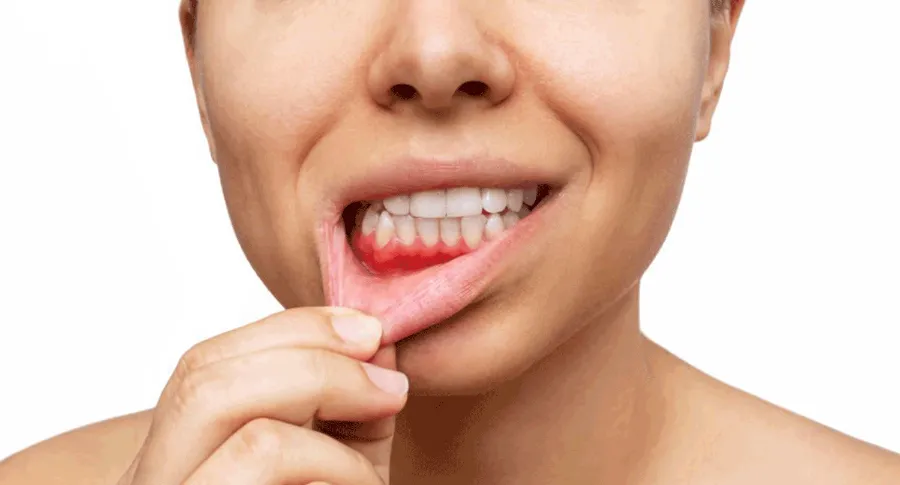
- Gum irritation: The jewellery may cause temporary irritation or tenderness of the gums.
- Damage to the tooth: There is a small risk that the jewellery could cause damage to the tooth, such as chipping or cracking.
- Infection: There is a risk of infection following any dental procedure, including the placement of tooth jewellery. This risk can be minimized by following the post-procedure instructions provided by your dental team.
Overall, the side effects of tooth jewellery are usually minor and temporary. If you experience any unusual or persistent side effects, it is important to contact our dental team for further evaluation and treatment.
Tooth Jewellery Cost In South Africa
