
Dental Veneers
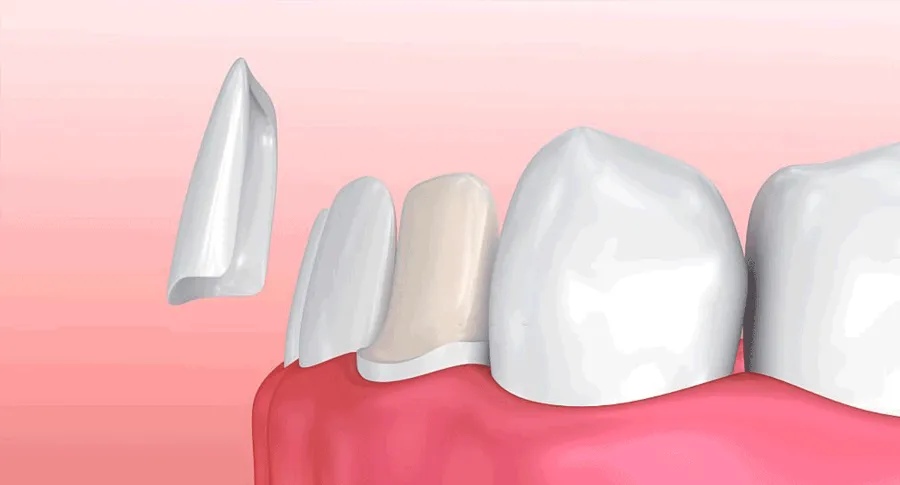
What Are Dental Veneers?
Why Do You Need Dental Veneers?
If you’re looking to get a brighter, whiter smile, dental veneers may be the right option for you.
Dental veneers are thin shells of porcelain or ceramic that are bonded to the front surfaces of your teeth. They can be used to cover stained or discoloured teeth, reshape tooth contours, close gaps between teeth, and more.
Dental veneers can also be used as part of a smile makeover procedure that includes whitening and bonding.
Veneers Explained
Dental veneers need extensive prep work and are often composed of porcelain or composite resin. However, “no-prep” veneers are also available and use a different application method.
When placing traditional dental veneers, the tooth structure must normally be ground down, occasionally even past the enamel. This enables accurate installation but is also a painful, irreversible procedure that frequently necessitates a topical anaesthetic.
The number of teeth implicated and your dental issues will determine how many teeth need to be reduced. A dentist may request a wax model when numerous teeth are involved to demonstrate how veneers will appear.
While no-prep veneers may need some tooth modification or preparation, these modifications are minor.
The Three Types Of Veneers
When it comes to veneers, there are a number of different types to choose from.
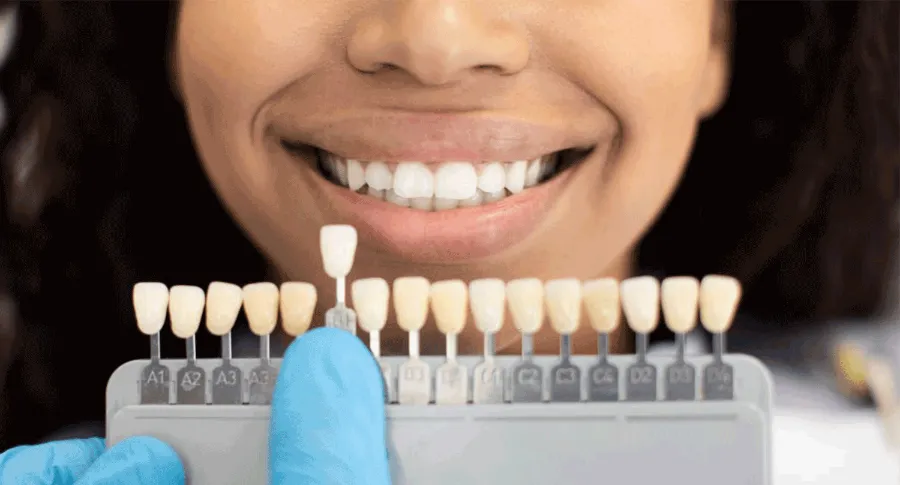
Porcelain Veneers
Porcelain veneers are the most common type of veneer. They’re made from a fine-grained, translucent material that’s fired at high temperatures to create a hard, durable surface. Porcelain veneers are often used to hide imperfections like stained or crooked teeth, or spaces between teeth.
Composite Veneers
Composite veneers are made from a mixture of plastic resin and glass fibres. They’re used when you want the appearance of porcelain but don’t want to spend the money on getting it done by an expert. Composite veneers are also less likely to chip or break than porcelain veneers because they aren’t as brittle.
No-Prep Veneers
Benefits Of Dental Veneers
The main benefit of veneers is that they make your teeth look better, making your smile brighter and more even. These cosmetic issues are frequently treated with dental veneers:
- cracked or fractured teeth
- Uneven coloring or severe discolouration that cannot be corrected by whitening
- smaller-than-average teeth that are pointed or have a unique shape
Depending on the type of veneer you select, they can endure for more than ten years, making them a semi-permanent investment that can boost your confidence in your smile.
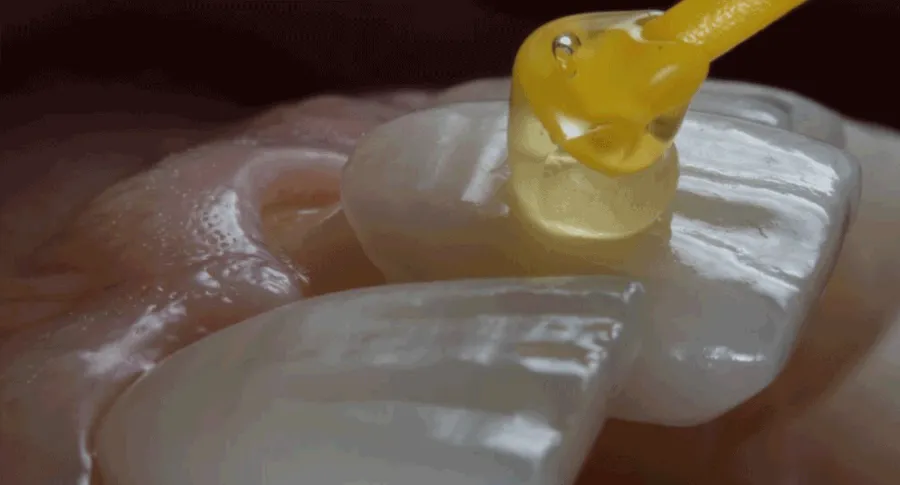
Dental Veneers Process
Dental veneers are one of the best solutions to a variety of cosmetic dental issues. They can be used to repair chipped teeth, cover discoloured teeth, and even change the shape of your smile.
But if you’re interested in getting dental veneers, you may be wondering what the process is like. In this guide, we’ll walk you through all the steps involved in getting dental veneers at a dentist’s office.
1) The first step is an examination by your dentist or hygienist. This is where they’ll examine your teeth and check for any damage or decay that might need to be fixed before putting on veneers. If there isn’t any damage, then it’s time to move on to step two!
2) Next up: taking impressions! Your dentist will put some special material onto your teeth and then press them into an impression tray which will get sent off to a lab for processing (usually within 24 hours). This is also when they’ll take photographs of your smile so they can compare it with how it looks once they are done with step three!
3) After taking impressions, it’s time for fitting the veneers into your teeth. You might feel a slight pressure as the fitting is being done
4) Finally, the dentist will file down any sharp edges on the teeth so that they are comfortable to bite into foods like apples and carrots without cutting your gums.
How To Prepare For Veneers
You will schedule a consultation appointment with your dentist before to getting your veneers so that you may decide which options are best for you and how many veneers you wish to have applied.
You might need braces in some situations if your teeth are misaligned or uneven before your dentist can apply veneers.
At this point, your dentist will frequently take X-rays to assess the condition of your teeth.
They’ll search for indications of tooth decay, gum disease, or the requirement for root canal therapy. You might not be a candidate for veneers if you have any of these conditions.
At your subsequent appointment, your dentist will remove the enamel from around half of a millimetre of your tooth in order to accurately size your teeth for veneers.
Veneers: Before And After
With a dental veneer, you may go from having a tooth that is chipped, broken, deformed, or stained to one that is evenly shaped and naturally coloured. You might be shocked by how much of a difference this can make.
See what to expect by looking at these before and after pictures.


Veneers: Aftercare
The healing process doesn’t require much time, in contrast to other dental operations. Instead, after the veneers are bonded in place and any numbing agents wear off, you can resume normal chewing and eating. Avoid biting on your cheeks or tongue while the anaesthesia is wearing off.
In certain situations, you could notice that the veneers feel a touch harsh right away after they’ve been put. After several days of regular eating and brushing, these rough patches (often caused by extra cement that can attach to the veneer) start to fade. In the event that they don’t, your dentist can smudge them.
The normal lifespan of conventional porcelain veneers is at least ten years.
No-prep veneers endure between five and seven years. You can ensure that you get the most lifespan out of them by taking a few measures.
These safety measures include:
- Avoid chewing on things that are hard, such as ice, pencils, or your fingernails.
- Never open packages with your teeth.
- Avoid using your front teeth while chewing. Eat tougher meals only with your back teeth; chop tough items into smaller pieces to make this practicable.
- Get a splint or retainer if you clench or grind your teeth at night to safeguard your veneers.
- You ought to use a mouth guard if you play sports.
- Get a mouth guard or retainer if you grind or clench your teeth.
Cost Of Dental Veneers
The cost of dental veneers in South Africa is estimated to be between R3,000 to R7,000 per tooth.
The price depends on the extent of work needed, as well as the materials used.
The cost of dental veneers will also vary depending on where you live in South Africa. For example, if you live in Johannesburg or Cape Town, it may cost more because there are more dentists available who can perform this kind of procedure.
Traditional veneers are frequently the most economical choice in the long run.
Your choice of veneer type, the brand name your dentist offers, the cost of living in your area, and the dentist’s level of experience will all affect how much your veneers will cost.
If you attend a clinic where dental students are being treated by dentists on the dental school faculty, the cost may be considerably lower.